
Shopping Cart

On the Road to Potty Training
Is social pressure weighing on your child? They're over two years old and not yet "toilet trained"? Don't panic! Continence isn't achieved overnight — it's a goal that can be reached step by step, with plenty of patience and gentleness. Support your little one throughout this journey by guiding them and teaching them good habits.
Recognising the right moment
There's no ideal age for coming out of nappies! Every child is different and progresses at their own pace. According to some studies, the age at which children become toilet trained falls between 18 months and 3 years. However, it's important to consider both the physical and psychological aspects of this process.
A child will be physically ready once they are able to recognise the sensation of a "full" bladder or bowel. This sensation can be felt once the sphincter muscles have reached a certain level of strength, allowing the child to hold on.
From a psychological standpoint, your little one needs to accept the fact that they are growing up. Nappies and the world of babies are a thing of the past! It's all a matter of a lightbulb moment — the right time will come when your child decides it has. Once the process is underway, it typically takes between 3 and 6 months to reach the goal.
Listen and reassure!
Not rushing your child is the key. There's no point forcing a child to do things they don't want to do, or simply aren't ready for. It's important to always give them the choice and to trust them during this big milestone. Try to be objective and avoid comparing your child to others — this risks frustrating them.
Encourage your little one, and above all, praise them when they make real efforts and try their best to leave nappies behind. Of course, accidents happen — don't make a big deal of them; your little one will do better next time!
The potty shouldn't become their enemy: don't leave them on it for more than 10 minutes, as they may lose interest and not want to try again. If possible, let your child choose their own potty when you decide to buy one. Don't hesitate to organise a little potty-decorating session to get them more involved in the process.
Don't get too fixated on night-time dryness — everything in its own time. Some children get there quickly, others take much longer. Take it gently, and above all, follow their lead!
Guiding your child through the learning process
Establishing a routine can be a really effective method for giving your child a framework and clear reference points. You know them best — you have a rough idea of when you used to change their nappy: a little while after lunch, in the evening before bed, and so on. These are moments when you can gently encourage them to head to the potty.
You can also try short outings without their nappy. Give them a heads-up before you leave and set things up so they feel able to let you know when they need to go.
Keeping this independence in mind, dress your little one in clothes that are easy to take off. They'll be able to undress themselves before going to the potty, and your involvement will gradually become less necessary. That said, don't overlook hygiene and wiping — very young children aren't yet able to wipe themselves properly without your help.
Encourage open communication and regularly check in with your child: remind them why it's important to move on from nappies and take this step, ask them how they're feeling and what their worries are.
You also have the option of trying an intermediate step: training pants! These help children become aware that they need to go to the potty. Designed to hold just a small wee, they allow young children to feel the dampness without their clothes getting wet. You can find these on our shop:
https://mamanetbebenature.fr/15-culottes-d-apprentissage-lavable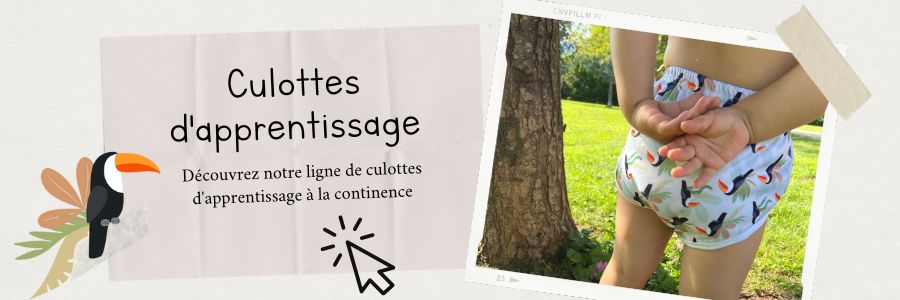
Leave your reply Cancel Reply