
Shopping Cart
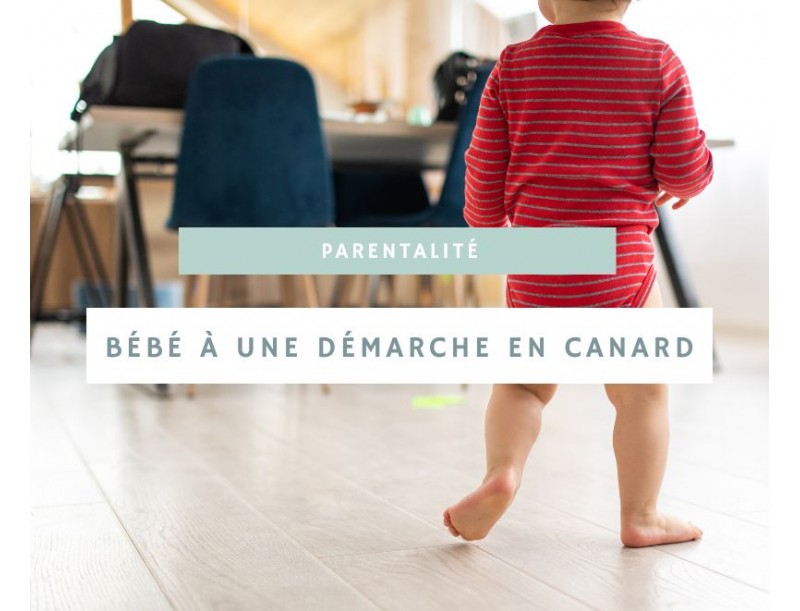
Duck-walking in babies: causes and solutions
The way a child moves can sometimes be a source of concern for parents, particularly when the child has an unusual gait. One of the most common walking abnormalities in children is duck-walking. This article examines the causes of this form of gait and offers advice to help your child adopt a proper walking posture.
What is duck-walking?
Duck-walking, also known as "out-toeing" or "genu valgum", is a way of walking characterised by knees that touch whilst the feet are turned outwards. This condition can be observed as soon as a child begins to walk, but it generally becomes more noticeable as they grow.
Why does my baby walk like a duck?
There are several possible reasons why your child might walk this way:
Muscle weakness: if the muscles surrounding your child's hips and thighs are not strong enough, this can cause an outward rotation of their legs, giving the appearance of a duck-like gait.
Muscle hypotonia: weak muscles due to hypotonia (low muscle tone) can also cause this gait.
Bone alignment problems: certain conditions, such as juvenile arthritis or developmental dysplasia of the hip, lead to alignment issues in the leg bones that can result in duck-walking.
The influence of specific footwear: poorly fitted shoes and habits that develop around them can contribute to this form of gait.
When should I be concerned?
Although this condition is fairly common in children, especially when they are learning to walk, it is important to remain vigilant. In most cases, duck-walking improves on its own over time, but if you notice that your child is still walking this way after the age of 3, it is advisable to consult a doctor or paediatrician in order to determine the underlying cause.
Solutions for correcting duck-walking in babies
Exercises to strengthen the leg and hip muscles
Strengthening the muscles around your child's legs and hips can help improve their gait and prevent duck-walking.
Here are a few exercises you can do with your child:
Cycling: lying on their back, the child should bend their knees and move their legs in a loop to mimic a pedalling motion.
Squats: crouch down facing your child and ask them to copy your movements, lowering and rising slowly.
Balancing on one leg: hold your child's hand and ask them to lift one leg and hold the position for a few seconds. Alternate legs and repeat the exercise several times.
Using furniture and everyday objects
To help properly align your child's feet when walking, you can use common items such as adhesive strips or cushions specially designed to correct posture. For example, you could:
Apply non-slip tape to the floor so that your child must place their feet in the correct position to avoid slipping.
Use a low chair or footstool that encourages the child to keep their feet centred beneath their body with their legs slightly apart.
Invest in orthopaedic insoles that help realign your child's feet and improve their gait.
Consulting a health specialist
If your child continues to have persistent problems with their duck-walking, it is advisable to consult a specialist such as a paediatrician, a physiotherapist, or a podiatrist. These professionals can identify the root causes of the problem and suggest appropriate treatments to help correct the child's gait.
Physiotherapy
A physiotherapist can help your child through stretching techniques and specific exercises, as well as footwear interventions and advice on appropriate shoes, in order to restore a normal gait.
Orthopaedics
In some cases, an orthopaedic specialist may be consulted to determine whether surgical treatment might be necessary to correct bone alignment in a child with a persistent duck-walking gait.
Helping your child develop a good gait
Ultimately, it is essential to be attentive to your child's needs and to work closely with them and their medical team to ensure they receive the support required to correct their duck-walking. Be patient and encouraging throughout the process, as it takes time to strengthen the muscles and improve a child's gait.
Leave your reply Cancel Reply