
Shopping Cart
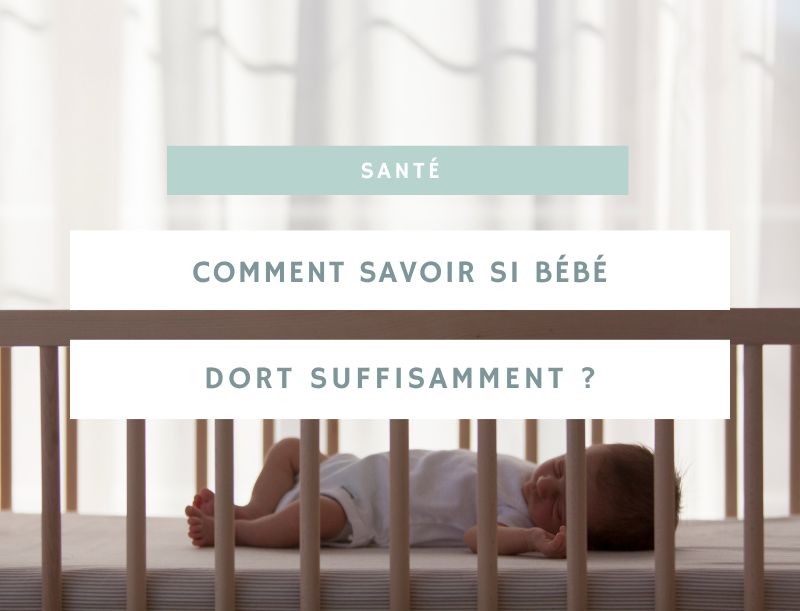
How do you know whether your baby is sleeping enough?
It can sometimes be difficult for parents to determine whether their baby is getting adequate sleep. With so many questions around the number of hours of sleep needed and the signs of tiredness to watch out for, it can be helpful to have a few guidelines. This article explores various aspects of children's sleep, from sleep cycles to the behaviours that indicate a good night's rest.
The importance of sleep for a child's development
Sleep plays a crucial role in the development and behaviour of babies. Restorative sleep allows a child to wake up in a good mood, ready to face the day with energy. What is more, sleep directly influences the cognitive and physical abilities of young children.
Babies need different amounts of sleep depending on their age and individual development. Understanding these specific needs helps to ensure the child grows well and remains alert and active during the day.
Number of hours of sleep by age
At each stage of their growth, children require a varying number of hours of sleep. Here is an indicative list of the recommended sleep time according to the child's age:
Newborns (0–3 months): 14 to 17 hours per day
Babies (4–11 months): 12 to 15 hours per day
Toddlers (1–2 years): 11 to 14 hours per day
Pre-school children (3–5 years): 10 to 13 hours per day
Identifying signs of tiredness in your baby
Recognising the signs of sleepiness is essential for putting your baby to bed at the right time. Babies often display certain behaviours when they are tired. Here are some common indicators:
Frequent yawning
Rubbing of the eyes or nose
Irritability or crying for no apparent reason
Difficulty staying awake or showing interest in activities
When you notice these signs of tiredness, it is time to prepare your baby for bed. This attentiveness makes it possible to create an environment conducive to quality sleep and to avoid meltdowns caused by excessive tiredness.
Understanding sleep cycles
A baby's sleep is organised into cycles, made up mainly of light and deep sleep phases. These cycles are essential for restorative sleep and influence how the child feels after a night's rest.
During the light sleep phases, it is not unusual for your baby to move or make noises. This is normal behaviour that forms part of the natural sleep cycle. The transition between these cycles should be gentle in order to avoid waking the child fully.
Ensuring smooth transitions
To help your baby move from one sleep cycle to the next without major disruption, make sure their environment is calm and conducive to rest. Avoid bright lights and loud noises that could disturb their sleep.
A consistent bedtime routine, such as a gentle lullaby or reading a book, can also encourage a smooth transition and support your child's natural falling-asleep process.
Waking up: an indicator of sufficient sleep
Another way to tell whether your baby is sleeping enough is to observe their behaviour when they wake up. A well-rested child will wake up in a good mood and will be more inclined to interact with their surroundings.
If your baby seems irritable or drowsy shortly after waking, it may be a sign that they have not slept enough during the night. In that case, adjusting sleep routines may be necessary to ensure they receive the restorative sleep they need.
Assessing mood and energy levels
Your child's mood and energy level are also key indicators. A baby who is sleeping enough should be alert and active during the day. Regularly observe these aspects to assess the quality of sleep your little one is getting.
If they show signs of extreme tiredness or seem constantly exhausted, it may be wise to consult a paediatrician to discuss sleep habits and explore appropriate solutions.
Tips to improve your baby's sleep
Improving your baby's sleep can seem like a challenge, but certain techniques can make a significant difference. Here are some suggestions for establishing positive sleep habits:
Establishing a bedtime routine: a regular routine helps to condition the child for sleep. Bath, pyjamas, a story and a lullaby form a soothing ritual.
Creating a sleep-friendly environment: make sure the room is dark, quiet and at a comfortable temperature. Use blackout curtains if necessary.
Monitoring meal intervals: ensure that the last feeds are sufficiently far from bedtime to avoid digestive discomfort.
Encouraging sleep independence: teach your baby to fall asleep on their own by placing their cot nearby but without constant intervention.
Understanding the child's changing needs
Bear in mind that sleep needs change with age. What worked yesterday may no longer be suitable today. Be attentive to changes in your baby's sleep habits and adjust their routine accordingly.
Maintaining flexibility in the approaches adopted will not only address the child's immediate needs, but also lay solid foundations for healthy, long-term sleep habits.
When to consult a professional
Sometimes, despite all efforts, it can be difficult to regulate a child's sleep. If problems persist or if you are concerned about your child's behaviour and development, do not hesitate to consult a specialist.
A paediatrician or an infant sleep expert will be able to provide personalised advice and identify any underlying causes affecting your baby's sleep.
Seeking specialist help
Professionals have the tools needed to assess the situation accurately. They will be able to recommend specific strategies based on your child's individual characteristics, thereby ensuring appropriate and effective follow-up.
Never forget that every child is unique. Adapting your expectations and methods in line with your baby's individual responses is key to creating a peaceful environment that is conducive to restorative sleep.