
Shopping Cart
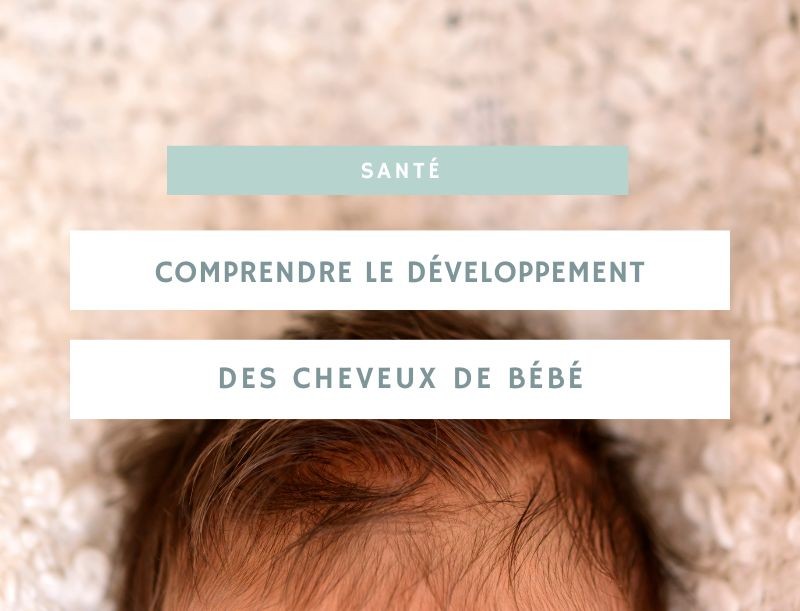
Understanding baby hair development
The arrival of a newborn is a fascinating period, full of discoveries and surprising developments. Among the many aspects of your child's development is a rather poetic detail: hair growth. Whether your baby's hair appears as fine down or is already surprisingly thick at birth, every newborn is unique in their hair development process. In this article, we will explore how hair growth unfolds in babies and what factors influence this process.
How does hair growth begin in babies?
From the moment they enter the world, some babies may have a lovely head of hair, whilst others will be born with only a few tufts. This phenomenon is explained by the hair growth cycle, which begins during foetal life. Hair follicles form around the third month of gestation, long before you can see a single hair.
At birth, these first hairs often form a fine down covering the entire scalp. This down plays a protective role during pregnancy but will generally fall out shortly afterwards. The main cause of this initial loss is linked to the maternal hormones still present in the newborn's body, which gradually diminish after birth.
The role of hormones in initial hair growth
Hormones play a determining role during the prenatal phase in stimulating hair growth. Whilst the foetus is bathed in a hormone-rich environment via the placenta, increased stimulation of the hair follicles occurs. It is during this period that the texture and colour of the hair begin to be defined.
After birth, these maternal hormones slowly fade from the baby's system. It is not uncommon to then notice that hair loss sets in after a few weeks. There is no need to worry, however, as this phenomenon is entirely natural and marks the beginning of a new stage in hair growth.
The hair growth cycle and its phases in babies
Just as in adults, hair growth in babies follows an established cycle made up of three distinct phases: anagen (growth), catagen (transition) and telogen (rest). These stages regulate the lifespan of hair and its replacement over time. In newborns, however, this cycle is often faster.
During the anagen phase, hair grows continuously from the hair follicles. For babies, this phase can last from several months to a few years, depending on heredity and individual genetic characteristics. The catagen phase is a brief transition during which growth slows, followed by the telogen phase, when the hair temporarily stops growing before falling out naturally.
Hair loss and renewal
When a baby loses their hair during the telogen phase, it is common for parents to notice a notable reduction in hair volume. Rest assured, this is a normal cycle in which new hair will soon replace what has fallen out. In some cases, this renewal manifests itself as a change in texture or hair colour, which can sometimes be puzzling for parents.
It is also interesting to note that certain areas of the scalp may experience more pronounced hair loss, particularly where the baby rubs their head more frequently during sleep. As children grow and become more mobile, this phenomenon tends to diminish naturally.
Factors influencing hair development
Several elements come into play in the evolution of babies' hair. Heredity, in particular, remains one of the main determining factors. Parental hair characteristics are often passed on to their children, and differences in hair texture or colour can sometimes appear unexpectedly, depending on the genetic combination inherited from both parents.
Thus, even if your baby was born with a specific hair colour, it could change during hair renewal. On the other hand, appropriate care also contributes to maintaining a healthy scalp, supporting the long-term health and growth of the hair.
The impact of hair care
Among the many concerns, caring for your little one's delicate hair is a significant matter. Here are a few simple tips to follow:
Opt for gentle products free from harsh chemical additives at bath time.
Brush gently to avoid any excessive pulling on the sensitive scalp.
Dry with care to prevent damage to fragile strands.
By following these careful measures, you will not only help to preserve the natural moisture of the hair, but also ensure a solid foundation for its future development.
FAQs about baby hair development
Why are some babies born without hair?
The presence or absence of hair at birth varies from child to child. This depends primarily on hereditary and hormonal factors. Hair follicles do develop in all foetuses, however, but they do not necessarily produce visible hair straight away. Every baby follows their own unique hair timetable, so there is no need to worry if your child does not have a full head of hair from birth.
When will my baby's hair really start to grow?
The majority of babies go through a shedding phase after birth, followed by genuine hair growth at around three to six months. As maternal hormones leave their system, growth resumes on an individual genetic basis. However, it is normal for this timeline to vary among children — some may have a full head of hair fairly early, whilst others will take longer.
Can a baby's hair change colour?
Yes, a baby's hair colour can change over time. This phenomenon is common and results from pigmentary adjustments driven by the genes. Many children have a lighter colour at birth that darkens as the melanocytes stabilise their activity. Be open to the surprising shades that heredity can offer throughout childhood!