
Shopping Cart
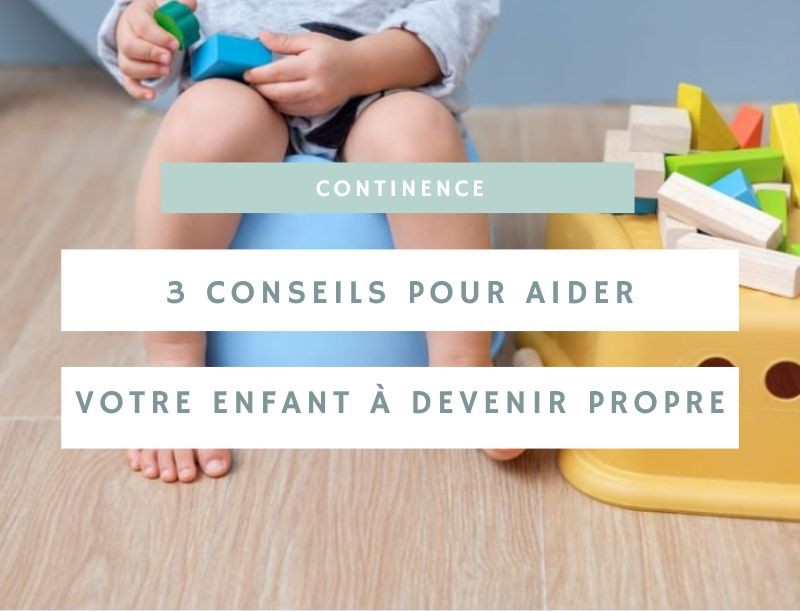
3 tips to help your child become potty trained
Learning to use the toilet is an important milestone in a child's development. It is a significant step forward and a big leap towards independence. For parents, it is also a moment when you watch your child grow and become more autonomous.
Some children are potty trained as early as 20 months, while for others it happens later, but it is fair to say that the majority of children have achieved continence by the age of 3. The key thing to understand is that it is not the parents who decide when the child is ready — it is the child! Our role is simply to support them through this stage and to reassure them. But how do you introduce your child to potty training? Are there things you should avoid?
Tip 1: Wait until the child is ready — psychologically, physiologically, and physically
Psychologically: this means the child tries to imitate the parent when they go to the toilet. They show an interest, or even ask to go for a "wee" or a "poo", and start to let you know when they feel the urge. They need to be genuinely ready to use the potty, to let go of diapers, and to become a "big kid". This requires the parent to explain what is happening, what the potty is for, and how to use it.
Physiologically: certain signs — not compulsory — can indicate that a child is ready to use the potty, such as being able to go up and down stairs on their own, staying dry for longer periods, or having bowel movements at a regular time of day.
Physically: their sphincter muscles (the ones used to hold in stools and urine) need to be sufficiently toned. They are beginning to hold on, and ask to be changed when they are dirty.
Tip 2: Get them familiar with the potty
To make the potty their new favourite accessory, you will need to explain what it is for and show them how it works. Feel free to sit them on it a few times a day, explaining each time, but never forcing them. If they do not want to sit on it or show complete disinterest, do not insist — try again later, as they are most likely not ready yet. Trust your child and do not rush them.
Place the potty somewhere convenient for them: if they prefer privacy, the bathroom is a good spot. If they like to stay close to you, tuck the potty into a corner of the living room.
Tip 3: Do not force things
Do not be too demanding with your child and above all do not force things, as you risk putting them off completely. Your child needs to learn to listen to their body and get used to new sensations. Do not scold them if they miss the potty or do not want to sit on it, and do not force them to sit on it at set times either: bodily urges cannot be scheduled, and this is true for adults as much as for children.
Bear in mind that your child will first need to learn to use the potty during the day before being able to go without diapers at night, which is yet another step towards full continence. Simply trust your child, be patient, encourage them, and do not make a big deal of accidents and setbacks.

Leave your reply Cancel Reply