
Shopping Cart
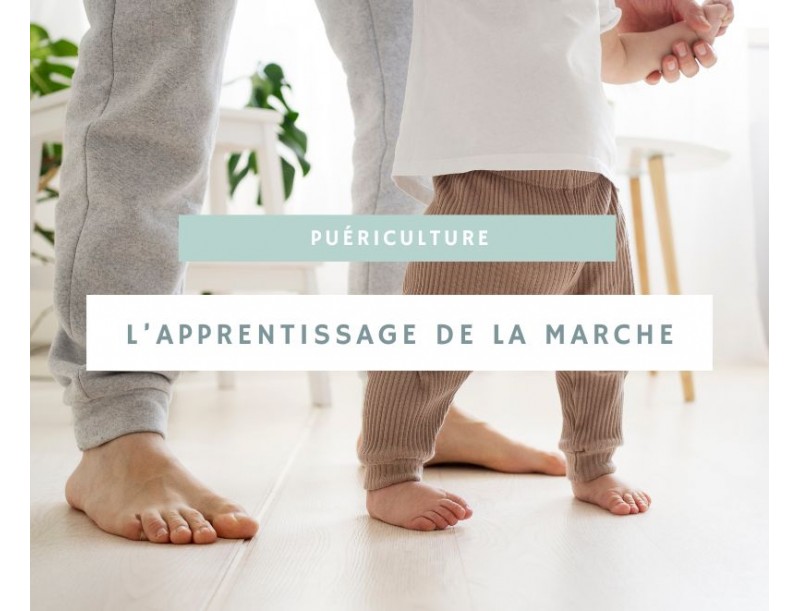
Learning to Walk
Walking is an important milestone in a baby's motor development. Parents eagerly await this moment, and it is also a big step for baby, who gradually grows in confidence and independence.
Walking: at what age?
Learning to walk happens at different times for different children — the earliest starters may take their first steps on two feet as young as 8 months, while others do not walk until around 18 months. Some babies take their first steps very early, between 9 and 12 months, but the average age for learning to walk is around 14 months.
Most children will have mastered walking by 18 to 20 months. If your child has not reached this stage, do not hesitate to consult a paediatrician who will check that everything is fine and may refer you to psychomotor therapy or physiotherapy sessions.
What can delay walking
It is often said that a child progresses step by step, focusing on one skill at a time. So a child who is interested in language may concentrate on developing speech before walking, for example.
We also know that it can depend on the child's personality, or even their build; a larger child will have a higher centre of gravity, which may delay their first steps slightly.
Premature babies often lag a little behind in learning to walk, but they generally catch up with other toddlers by around the age of 2.
Learning to walk: step by step
Before a child can stand up and think about walking, they need to have acquired certain essential foundations for their motor development:
- They must be able to hold their head up without support
- They must be able to sit unsupported and change position on their own
- They must have developed the muscles in their legs and back to be able to stand, even while holding onto furniture
Once they have successfully passed these stages, walking is just around the corner. It generally unfolds like this:
- The child moves around by holding onto furniture, walls, people — in short, anything they can grab hold of! This is known as cruising
- At this stage, they only move sideways, and may continue to crawl on all fours or shuffle on their bottom
- They stop sliding their foot along and begin to lift it instead
- All that remains is for them to build their confidence, find their balance, and step forward without any support!
How should you choose your baby's shoes for learning to walk?
When your child is indoors, favour bare feet or soft leather slippers if it is a little cold.
Going barefoot allows children to strengthen all the muscles in their feet in the correct position and to build confidence. By experiencing many different sensations through their feet, baby gradually becomes aware of their own body.
Until your child starts walking, it is recommended to opt for soft leather slippers outdoors too, or bare feet if the weather allows. When they take their first steps, choose shoes that leave the ankle free and avoid high-top shoes, which act like splints and restrict movement.
High-top shoes that provide good ankle support will only really be useful once walking is fully established and baby is ready to head out on proper walks.
Leave your reply Cancel Reply