
Shopping Cart
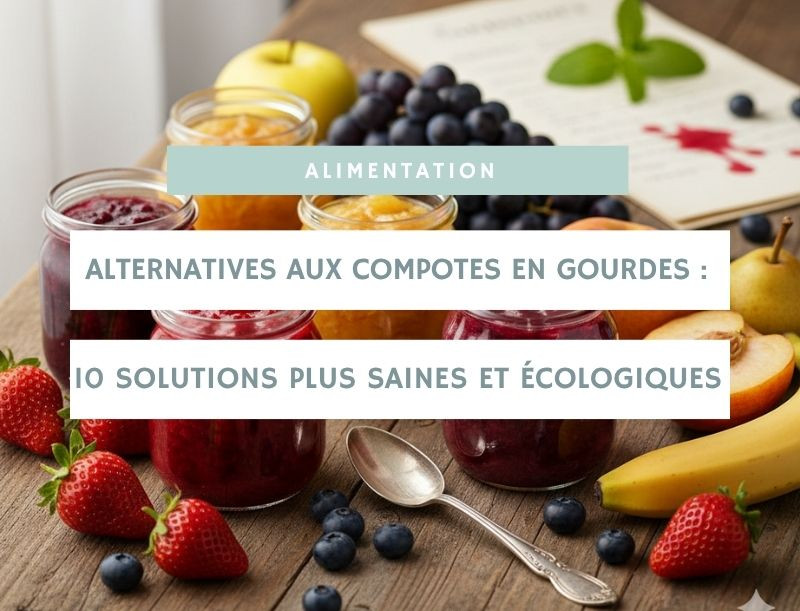
Alternatives to pouched purees: 10 healthier and more eco-friendly solutions for your children
Shop-bought pouched purees have become a staple in parents' bags. Convenient, quick, and no washing up... they seem like the perfect solution for snacks and days out. Yet behind this ease lie several drawbacks: high cost, disposable packaging, added sugars, additives, and an ever-smooth texture that does nothing to encourage chewing. Fortunately, there are many alternatives that can offer your children snacks that are just as convenient but healthier, more economical, and kinder to the environment. Let's explore these natural solutions together — a treat for little ones and grown-ups alike.
Why look for alternatives to pouched purees?
Before we discover the alternatives, let's understand why it can be worthwhile to cut back on shop-bought pouched purees in our children's diets.
The downsides of shop-bought pouches
A significant cost: At around £1 per 90g pouch, the bill can quickly mount up for families who use them every day. Over a year, this adds up to several hundred pounds that could be saved by making homemade alternatives.
A worrying environmental impact: Even when recyclable, these plastic or aluminium pouches generate a considerable amount of waste. An average family can go through more than 200 empty pouches a year, which weighs heavily on our planet.
Hidden sugars and additives: Although marketed as "natural", some pouches contain added sugars, fruit concentrates (which are very high in sugar), or thickeners. Even without additives, the natural sugar content remains high.
Always a smooth texture: Constantly sucking smooth-textured foods does not encourage the development of chewing in young children. Yet chewing is essential for dental health, language development, and learning to recognise feelings of fullness.
A risk of overconsumption: The easy access and "snack" format can encourage grazing between meals, thus disrupting the balance of a child's diet and their ability to recognise hunger cues.
10 healthy alternatives to pouched purees
1. Homemade purees in reusable pots
The first obvious alternative is to make your own homemade purees and keep them in reusable containers. This solution gives you complete control over the ingredients, avoids additives, and allows you to make substantial savings.
The ultra-simple basic recipe:
- Peel and chop 1kg of apples (or other seasonal fruit)
- Cook over a low heat with 2 tablespoons of water for 15–20 minutes
- Blend to your desired consistency
- Keep in the fridge for 3–4 days or freeze in portions
Invest in small glass jars with lids (such as 125ml jam jars) or stainless steel containers. For days out, small Mason jars with airtight lids are ideal. You can also ring the changes with original recipes such as mango puree or banana puree to vary the flavours.
2. Reusable pouches to fill yourself
If you love the convenience of the pouch format, opt for reusable pouches that you can fill with your own homemade preparations. These washable pouches are available in food-grade silicone or BPA-free plastic, with leak-proof closures.
Advantages:
- Cost-effective: an initial investment (£8–15 per pouch) that quickly pays for itself
- Eco-friendly: zero waste, usable for years
- Customisable: you decide on the contents (puree, smoothie, liquid yoghurt)
- Easy to clean: most are dishwasher-safe
Practical tip: Prepare several pouches on a Sunday for the whole week and keep them in the fridge. This makes organising much easier and saves you time every day.
3. Whole fresh fruit: natural simplicity
Nothing beats the simplicity and benefits of a whole fresh piece of fruit. An apple, a banana, a pear, some clementines... These natural options require no preparation and provide fibre, vitamins, and minerals in their most complete form.
For very young children: Offer soft fruits cut into suitable pieces (mashed banana, ripe pear, peach in segments). For older children, a whole piece of fruit to bite into encourages chewing and independence.
Handy fruits for days out:
- Banana: natural packaging, no refrigeration needed
- Apple: robust, keeps well in a bag
- Clementines: easy to peel, natural portions
- Grapes: in a small airtight box
- Apricot or plum: in season, delicious and juicy
4. Fruit cut into sticks or balls
To make fruit more fun and easy to eat, cut it into sticks or balls using a melon baller. This playful presentation is particularly popular with children and travels easily in a small airtight container.
Ideas for fruit to cut up:
- Melon and watermelon in cubes or balls (wonderfully refreshing in summer)
- Apple and pear in sticks (drizzle with a little lemon juice to prevent browning)
- Mango in cubes
- Pineapple in chunks
- Kiwi in rounds or segments
For more inspiration on healthy fruit-based snacks, do have a look at our other dedicated articles.
5. Dried and dehydrated fruit: concentrated energy
Dried fruit (apricots, dates, figs, raisins, mango) makes an excellent on-the-go alternative. Rich in fibre, minerals, and natural sugars, they provide quick and lasting energy, perfect for physical activities or long days out.
A word on moderation: Dried fruit is very concentrated in natural sugars. A small portion (2–3 dried apricots, 5–6 raisins) is enough for a snack. Choose versions with no added sugar and no preservatives.
You can also create your own homemade trail mix by combining dried fruit and nuts (almonds, walnuts, hazelnuts) for a balanced snack — provided the child is old enough to eat nuts (generally after 3 years and under supervision).
6. Homemade smoothies in a pouch or flask
Homemade smoothies offer a creamy texture that children love whilst retaining the fibre from whole fruit (unlike juices). Blend fresh or frozen fruit with a little milk (plant-based or dairy) or plain yoghurt for a nutritious drink.
Strawberry-banana smoothie recipe:
- 1 ripe banana
- 100g of strawberries (fresh or frozen)
- 150ml of almond milk or cow's milk
- 1 tablespoon of plain yoghurt (optional, for extra creaminess)
- Blend and pour into a reusable pouch or a small flask
Storage: A smoothie will keep for 24 hours in the fridge in an airtight container. For days out, use a small insulated flask to keep it cool for several hours.
7. Raw fruit purees ("nice cream")
"Nice cream" (natural ice cream) is a puree of blended frozen fruit that has a creamy texture similar to ice cream, with no added sugar or dairy products. The classic base is frozen banana.
Quick preparation:
- Slice 2–3 ripe bananas into rounds
- Freeze them in a bag for several hours or overnight
- Blend the frozen rounds in a powerful blender until creamy
- Add other fruit (strawberries, mango, blueberries) to vary the flavours
- Serve immediately or store in the freezer
This option is perfect for snacks at home or as a healthy frozen treat on warm days. Less practical for days out, it remains an excellent homemade alternative to pouched purees.
8. Fruit-and-vegetable purees for variety
Why not take the opportunity to introduce vegetables into snack time? Some mild vegetables pair perfectly with fruit to create original, nutritious purees that are lower in sugar than classic fruit purees.
Winning combinations:
- Carrot, apple and orange: a burst of vitamin C
- Beetroot, strawberry and banana: a magenta colour that fascinates children
- Butternut squash, pear and cinnamon: autumnal sweetness
- Courgette, banana and lemon: light and refreshing
- Sweet potato and mango: exotic creaminess
These blends help reduce sugar intake whilst increasing fibre and micronutrients. They keep just like classic fruit purees and can be decanted into reusable pouches.
9. Plain yoghurt with pieces of fruit
Plain yoghurt (cow's, sheep's, goat's, or plant-based) topped with fresh fruit cut into small pieces makes a complete snack, combining protein, calcium, and vitamins. This option encourages chewing and offers a variety of textures.
On-the-go version: Use an airtight container with separate compartments to carry the yoghurt on one side and fresh fruit on the other. The child mixes them at eating time, keeping the fruit fresh and crunchy.
You can also add a teaspoon of homemade spread, almond butter, or a few oat flakes to enrich the snack and make it more filling.
10. Homemade fruit biscuits and muffins
Finally, homemade baked goods such as muffins, loaf cakes, or fruit biscuits offer a solid alternative to pouched purees. These snacks travel easily, keep for several days, and allow you to include fruit, vegetables, and wholegrains.
Banana and oat muffins (makes 12):
- 3 very ripe mashed bananas
- 200g of oat flakes blended into flour
- 2 eggs
- 50ml of melted coconut oil
- 1 teaspoon of baking powder
- A pinch of cinnamon
- Optional: dark chocolate chips or blueberries
- Bake for 20 minutes at 180°C
These muffins keep for 3–4 days in an airtight container or can be frozen individually for later use. Perfect for after-school snacks or a day out!
Comparison: cost and convenience of the alternatives
To help you choose the best options for your circumstances, here is a comparison table of the different alternatives:
| Alternative | Estimated cost | Convenience | Preparation |
|---|---|---|---|
| Shop-bought pouch | ~£1/unit | ⭐⭐⭐⭐⭐ | None |
| Homemade puree in a pot | ~£0.20/serving | ⭐⭐⭐⭐ | 30 min/week |
| Reusable pouch | £0.25/serving (amortised) | ⭐⭐⭐⭐⭐ | 30 min/week |
| Whole fresh fruit | ~£0.30–0.60 | ⭐⭐⭐⭐⭐ | None |
| Cut fruit | ~£0.40/serving | ⭐⭐⭐⭐ | 5 min/day |
| Dried fruit | ~£0.50/serving | ⭐⭐⭐⭐⭐ | None |
| Homemade smoothie | ~£0.50/serving | ⭐⭐⭐ | 5 min/day |
| Yoghurt + fruit | ~£0.60/serving | ⭐⭐⭐⭐ | 2 min/day |
| Homemade muffins | ~£0.25/muffin | ⭐⭐⭐⭐⭐ | 45 min/week |
Practical tips for making the transition a success
Get organised with batch cooking
The secret to sustaining these new habits long-term is organisation. Set aside 1 to 2 hours at the weekend to prepare your purees, cut your fruit, and bake your muffins. You'll have healthy snacks ready for the whole week.
A typical Sunday plan:
- 9:00 am: Prepare 2 kg of homemade puree (2–3 varieties)
- 9:30 am: While cooking, cut fruit for Monday and Tuesday
- 10:00 am: Fill reusable pouches and pots for the week
- 10:30 am: Prepare a batch of muffins or biscuits
- 11:00 am: Everything is ready for the week!
Involve your children in the preparation
Children are more likely to eat what they have helped to prepare. Make the most of these preparation moments to get them involved according to their age: washing the fruit, pressing the blender button, spooning the mixture into moulds, decorating the muffins...
It's also an opportunity to educate their palates by introducing them to seasonal fruits, and talking about colours, textures, and flavours. This playful approach turns snack preparation into a moment of learning and togetherness.
Take it one step at a time
There's no need to change everything overnight. Start by replacing one pouch a day with a homemade alternative. Then gradually increase until you've eliminated shop-bought pouches entirely (or almost entirely).
Keep a few shop-bought pouches for emergencies or exceptional outings. The goal isn't perfection, but a gradual improvement in your children's diet whilst remaining realistic about your schedule.
Invest in the right equipment
To make these new habits easier, a few wise investments can make all the difference:
- 4–6 reusable pouches (£60–90) to rotate throughout the week
- Small airtight glass pots (£20–30 for a set)
- Compartment boxes for fruit and yoghurt (£15–25)
- A melon baller for making fruit balls (£5)
- Reusable silicone muffin moulds (£10–15)
These purchases quickly pay for themselves (within 2–3 months) and will last for years. It's an investment in your children's health and in the planet.
The concrete benefits of these alternatives
For your children's health
- Less sugar: you control the sugar content and avoid highly sweetened fruit concentrates
- More fibre: whole fruits and homemade preparations contain more fibre than ultra-smooth purees
- Nutritional variety: by varying fruits, vegetables, and textures, you broaden the range of nutrients
- Development of chewing: essential for dental health and oro-facial development
- Better satiety: chewing activates satiety signals, thus preventing excessive snacking
For your wallet
Calculation over one year (1 pouch/day):
- Shop-bought pouches: 365 x £1 = £365/year
- Homemade alternatives: ~£100–150/year (ingredients + amortised equipment)
- Savings made: £215–265/year per child!
With two children, that amounts to up to £500 in savings per year — the equivalent of several family weekends away or after-school activities.
For the environment
The ecological impact of disposable pouches is considerable. By adopting sustainable alternatives, you make a real contribution to:
- Reducing plastic waste: 365 pouches avoided per child per year
- Lowering your carbon footprint: less industrial production and transport
- Supporting local supply chains: by buying local, seasonal fruit
- Passing on values: your children grow up with an awareness of the environment
Frequently asked questions about alternatives to pouched purees
Are reusable pouches really hygienic?
Yes, provided you clean them properly after each use. Most are dishwasher-safe. For hand-washing, use a long brush to reach every nook and cranny, hot soapy water, and rinse thoroughly. Leave to dry completely in the open air, with the pouches open. Some models can be turned fully inside out to make cleaning easier.
How do I keep cut fruit from going brown?
Apples and pears oxidise quickly when exposed to air. To prevent this, drizzle them lightly with lemon or orange juice. You can also store them in lightly lemon-infused water until you're ready to pack them. Cut fruit keeps for 24–48 hours in the fridge in an airtight container.
My child refuses pieces of food — what should I do?
The transition from smooth textures to pieces must be gradual. Start with homemade purees that are less blended, with small lumps. Offer very soft fruits (banana, ripe peach, avocado). Set an example by biting into a piece of fruit yourself. Be patient and persistent: it can sometimes take 10–15 exposures to a food before a child accepts it.
Are these alternatives suitable for babies who are weaning?
Absolutely! Homemade purees are ideal from the very start of weaning (around 6 months). For whole fruit, adapt the size and texture: mashed banana, soft pear in slices, fruit sticks for baby-led weaning. Avoid whole nuts and honey before 1 year of age.
How long can I keep homemade preparations?
- Homemade purees: 3–4 days in the fridge, 3 months in the freezer
- Smoothies: 24 hours in the fridge maximum
- Cut fruit: 24–48 hours in the fridge in an airtight container
- Muffins and biscuits: 3–4 days at room temperature in a container, 1 month in the freezer
- Yoghurt + fruit: prepare on the day or keep the two separate
What if my child specifically asks for shop-bought pouches?
That's perfectly normal — children get attached to their habits! Try filling a reusable pouch with your homemade puree: the familiar format can help with acceptance. Offer the new options during a picnic or a fun activity to create a positive association. Explain simply (depending on age) that "we now make our own purees, they taste better and we get to choose our favourite fruit." Invite them to join in the preparation to involve them in the change.
In conclusion: towards a more natural and mindful diet
Replacing shop-bought pouched purees with homemade alternatives isn't a chore — it's an opportunity to take back control of what your children eat. It's also a meaningful financial decision and a genuine ecological commitment. The solutions presented in this article are varied and suit every lifestyle: from the simplest (a fresh piece of fruit) to the more involved (homemade purees and muffins).
The key is to find your own balance between convenience and nutritional quality. Start with one or two alternatives that feel accessible, try them out, adjust, and progress at your own pace. Every shop-bought pouch avoided is a win for your children's health and for the environment.
At Maman et Bébé Nature, we believe that healthy, natural, homemade food is within everyone's reach. With a little organisation and creativity, you'll be giving your children delicious, nutritious snacks that meet their needs. And who knows? These new habits might just become cherished family memories!
Found this article useful? Discover more of our advice for healthy, natural eating on the Maman et Bébé Nature blog.