
Shopping Cart
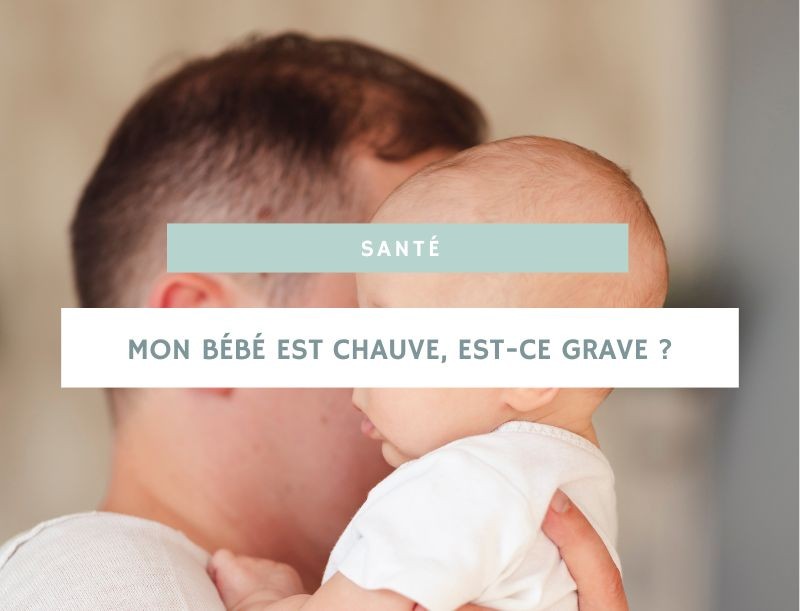
My baby is bald — should I be worried?
You've just taken a good look at your little one and noticed they have very little or no hair? Don't worry — this is a phenomenon commonly observed in newborns. Most parents wonder whether the situation is normal and ask themselves whether it requires any particular attention. This article will give you an overview of the reasons why your baby might be bald and explain in detail when you should consider consulting a paediatrician.
Natural causes of baldness in newborns
Having a bald baby is generally nothing to worry about. Indeed, hair loss in newborns is a normal stage of development. During the first few weeks of life, many newborns temporarily lose their hair. This temporary alopecia can come as a surprise, but it is an integral part of the natural hair growth cycle.
This temporary baldness is primarily the result of hormonal changes that occur after birth. In the uterine environment, hormone levels are different and can stimulate hair growth. After birth, these levels drop, causing the visible hair loss seen in some babies. This is an entirely normal process that many parents are unaware of at first.
The role of hormones in hair growth
Hormonal fluctuation is the main reason behind hair changes in newborns. Whilst the baby was still in the womb, maternal hormones had an influence on its body, including on its hair growth. Once outside the intra-uterine environment, these levels drop sharply, thereby causing hair loss.
In addition to hormonal factors, other elements — such as the position in which the baby frequently sleeps — can also contribute to hair loss. For example, newborns who often lie on their backs may experience increased hair loss at the back of the head. Again, this is perfectly normal and should balance out over time.
When should I be concerned about hair loss?
Although hair loss is generally harmless, certain situations deserve a little more attention. If baldness is accompanied by suspicious signs such as redness, flaking, or if the scalp appears irritated or infected, it would be wise to speak to a healthcare professional. These symptoms could indicate a scalp condition requiring specific treatment.
Furthermore, if hair loss persists well beyond 6 months without showing any sign of regrowth, it may be advisable to consult a paediatrician to check that there are no underlying conditions influencing the situation. A small number of newborns present, for example, a condition called "alopecia areata", characterised by patchy hair loss due to autoimmune reactions.
The importance of consulting a paediatrician
Consulting a paediatrician can not only help to put your mind at rest, but also detect early on any potential abnormality related to your baby's hair health. Your doctor will be able to carry out a thorough examination to determine whether any specific steps need to be taken to encourage healthy hair regrowth.
A medical appointment may include a discussion of the family history of hair disorders, a detailed visual examination of the scalp, and sometimes even blood tests to rule out any abnormalities relating to the essential nutrients needed for hair growth.
Suitable hair care practices for newborns
Adopting appropriate care remains essential to maintaining the health of your baby's scalp, even when they are still bald. Products for newborns are specifically formulated to meet the sensitivity of their delicate skin. A gentle, hypoallergenic shampoo can be used a few times a week to cleanse lightly and encourage an environment conducive to hair regrowth.
It is also advisable to avoid any abrasive handling of the scalp. Using soft brushes rather than stiff ones will help to reduce possible irritation during brushing. Remember that the main aim is to keep the scalp clean, moisturised and unstressed, even if the baby initially has no visible hair.
Avoiding common mistakes
Sometimes it can be tempting to try so-called miracle remedies found online to stimulate hair growth. However, such advice is not necessarily backed by scientific evidence and may even expose your child to the risk of irritation or allergic reactions. The best approach is always to favour products specifically designed for young children and in line with high dermatological standards.
Do not forget that patience is essential. Hair regrowth takes time and every child follows their own pace. The wait may feel long, but going through these stages is part of the journey towards full hair health for your child.
Frequently asked questions about baldness in newborns
Is it normal for my baby to be born without hair?
Yes, it is completely normal. Some babies are born completely bald whilst others have a thick head of hair. This depends largely on genetic factors and does not predict the future density of their hair.
When can I expect to see my newborn's first hair growing?
Hair growth follows a variable timetable. Parents can usually observe regrowth between three and six months. However, for some children, a fuller head of hair may not appear until around the age of one.
Which products should I use to care for my baby's scalp?
Opt for products specially formulated for newborns, which are gentle, hypoallergenic and free from harsh fragrances. This includes light shampoos and soothing lotions suited to sensitive skin.
Should I be concerned if my baby's baldness shows no sign of changing?
If baldness persists beyond 6 months and no hair appears to be growing back, it is advisable to consult a paediatrician. They will be able to assess whether this is the result of normal variation or whether there are medical conditions requiring attention.